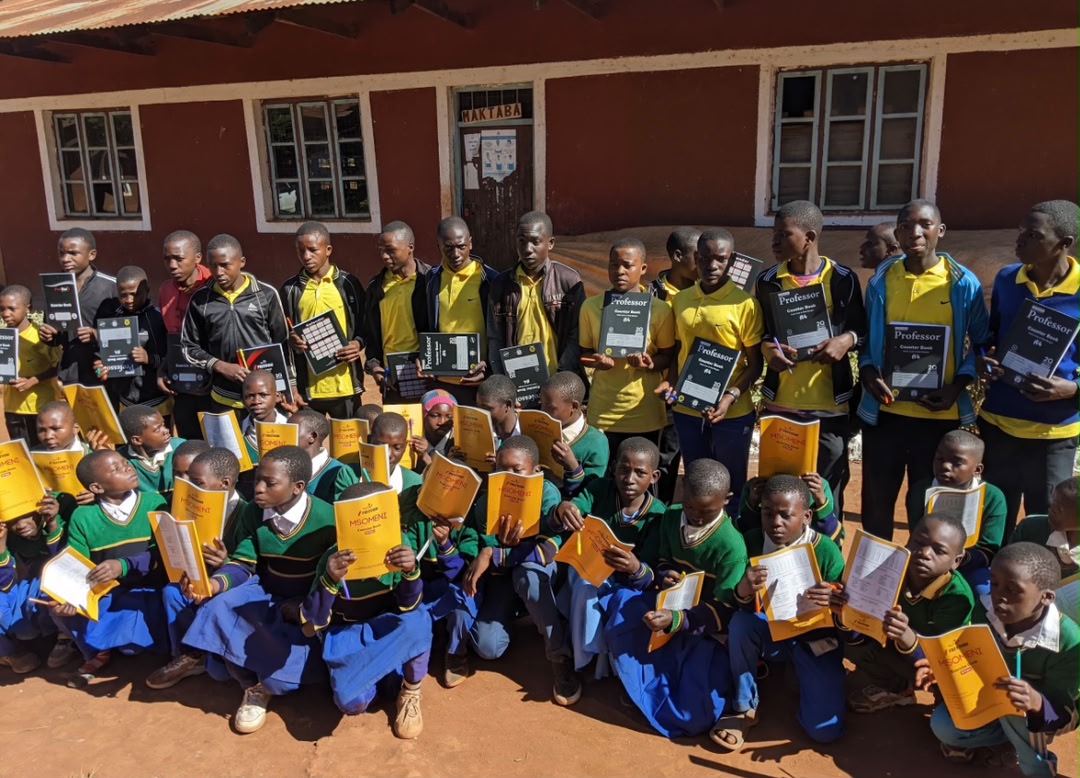
Students empowered through education programs
Education Support
Providing school materials, scholarships, mentorship, and educational opportunities for vulnerable children.
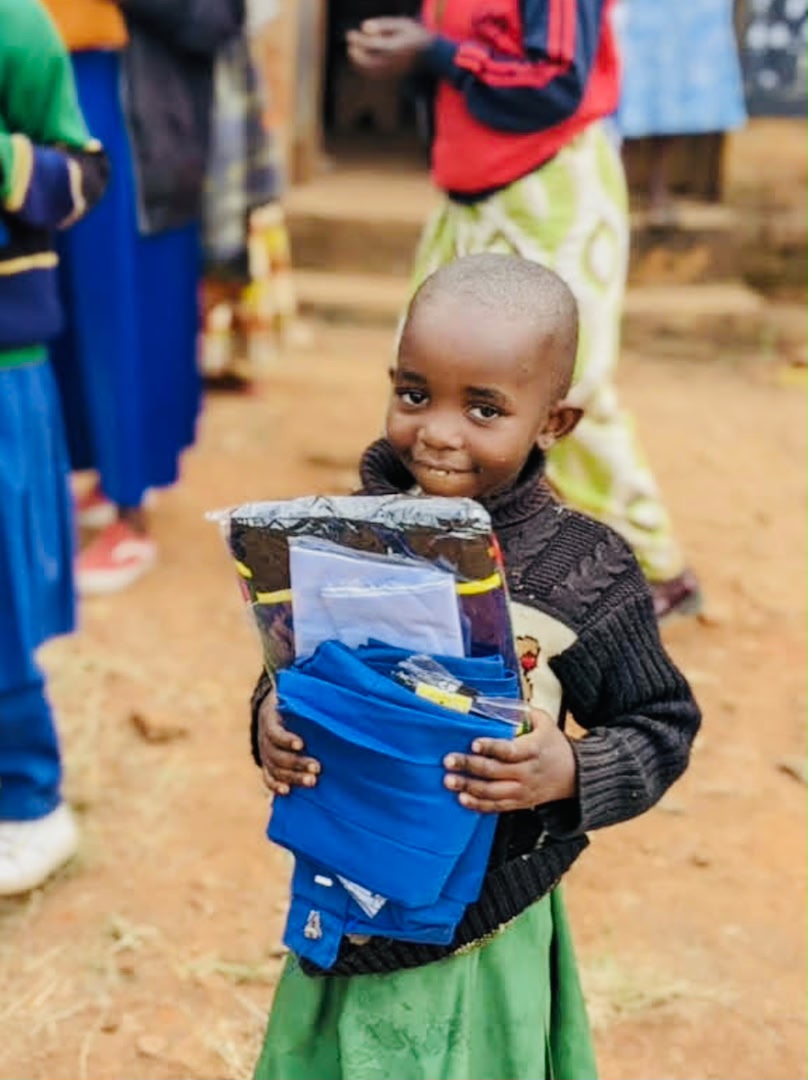
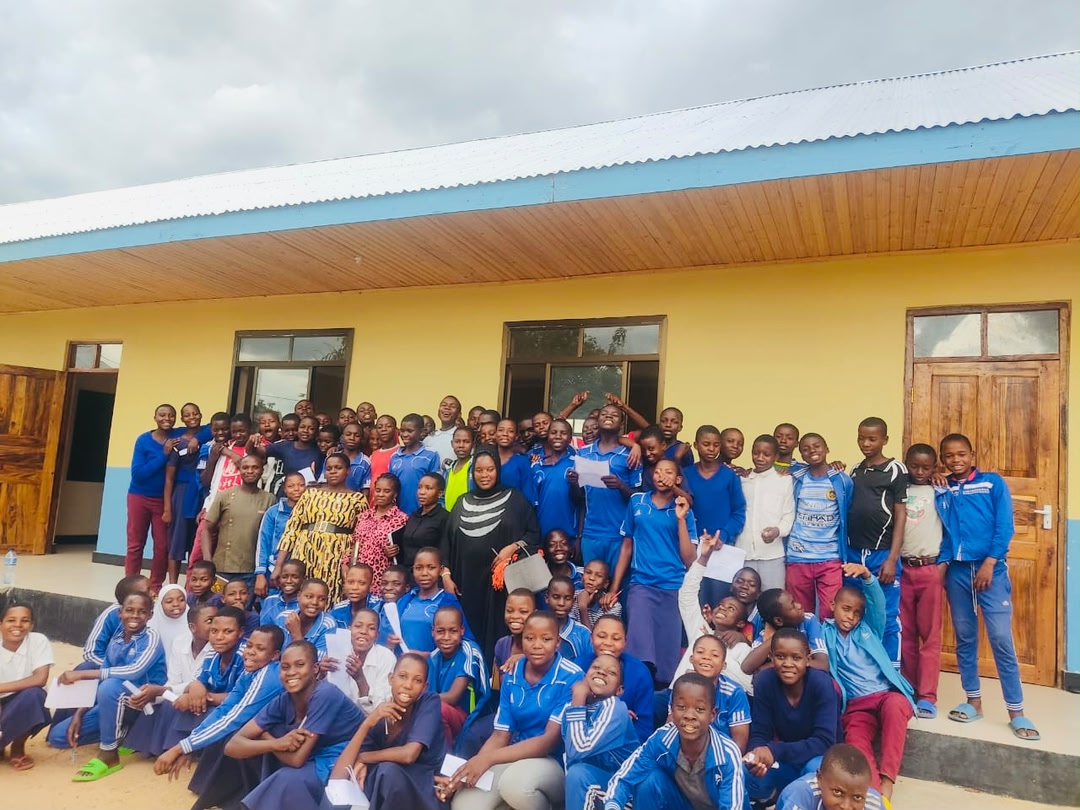
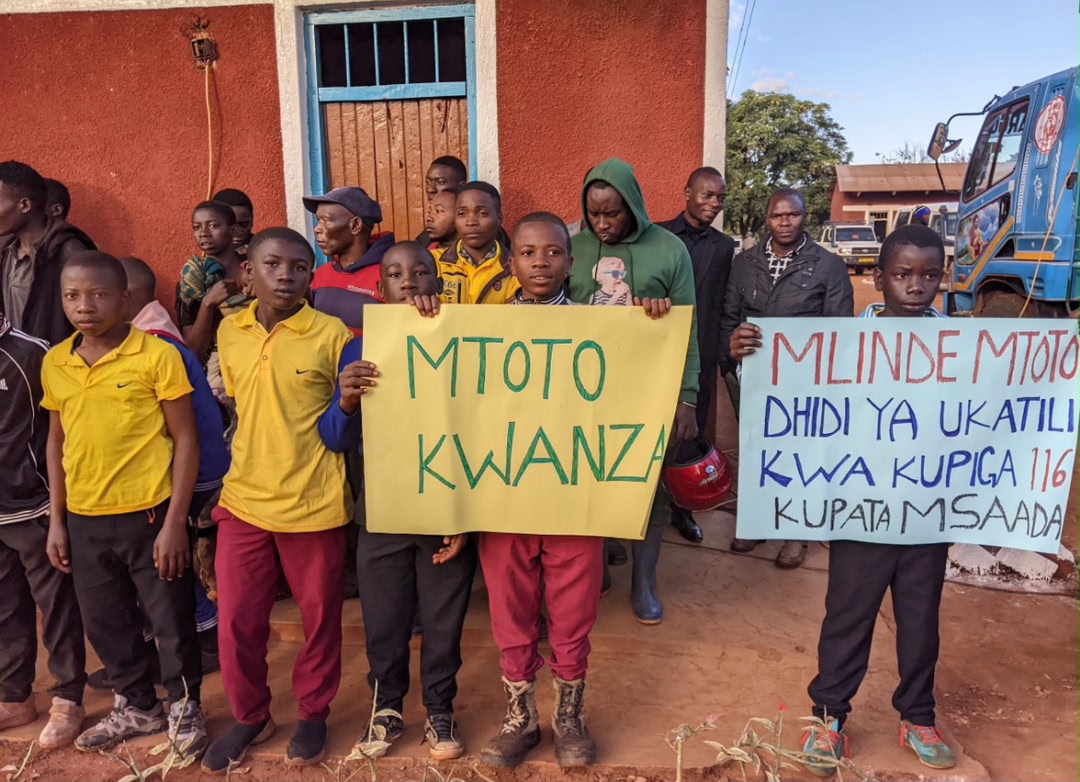
Supporting vulnerable children, women and communities in Tanzania
Years
People Reached
OVCs Supported
Volunteers
Milo Sayuni Community Organization (MISO) is a registered Tanzanian non-governmental organization founded in 1997 and officially registered in 2005 under Registration No. 000NGO/R1/00253.
MISO works to transform the lives of vulnerable and marginalized populations, including children, youth, women, and persons with disabilities, through inclusive and sustainable community development programs. We collaborate with government institutions, development partners, and local communities to design and implement evidence-informed interventions that strengthen resilience and improve quality of life.
MISO was established in 1997 and officially registered under the NGO Act No. 24, Section 11(3) on December 6, 2005. Today it works in Ludewa, Mufindi, and Mafinga to deliver services for orphans, vulnerable children, and marginalized households.
Our Story: Milo Sayuni Community Organization (MISO) was founded to address the challenges facing vulnerable children and marginalized communities in Tanzania. Through community-driven solutions and strategic partnerships, MISO works to improve livelihoods, strengthen resilience, and promote social justice.
 Vision
A just, inclusive, and resilient society where all people especially vulnerable and marginalized groups have equal access to opportunities, resources, and services that enable them to live dignified, productive, and sustainable lives.
 Mission
To empower vulnerable children, women, youth, and persons with disabilities through sustainable, community-driven development programs that promote improved health, quality education, protection, economic resilience, and environmental stewardship.
Dedication to transforming communities and organizational success.
Belief in collaborative development through local community involvement.
Promoting openness in all organizational operations and encouraging the same in communities.
Promoting trustworthiness and respect in teamwork and service delivery.
Encouraging innovation in service provision for improved outcomes.
Upholding fairness and equality for all members of the community.
Providing school materials, scholarships, mentorship, and educational opportunities for vulnerable children.
Protecting children from abuse, neglect, exploitation, and harmful practices.
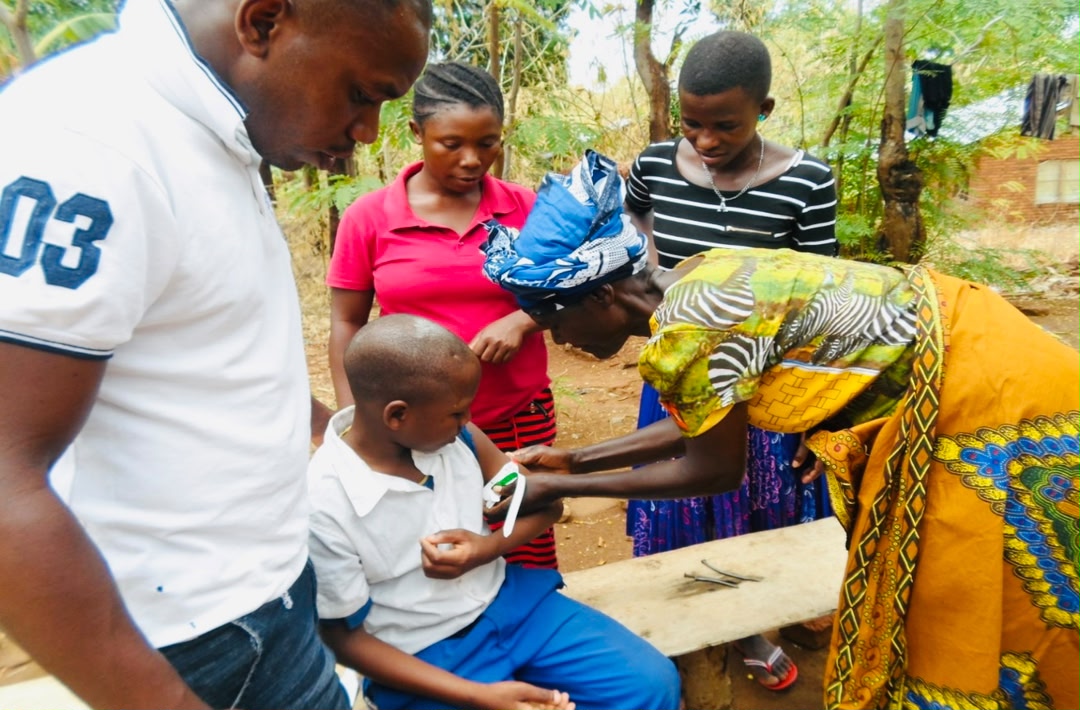
Improving access to healthcare, menstrual hygiene management, nutrition education, and psychosocial support.
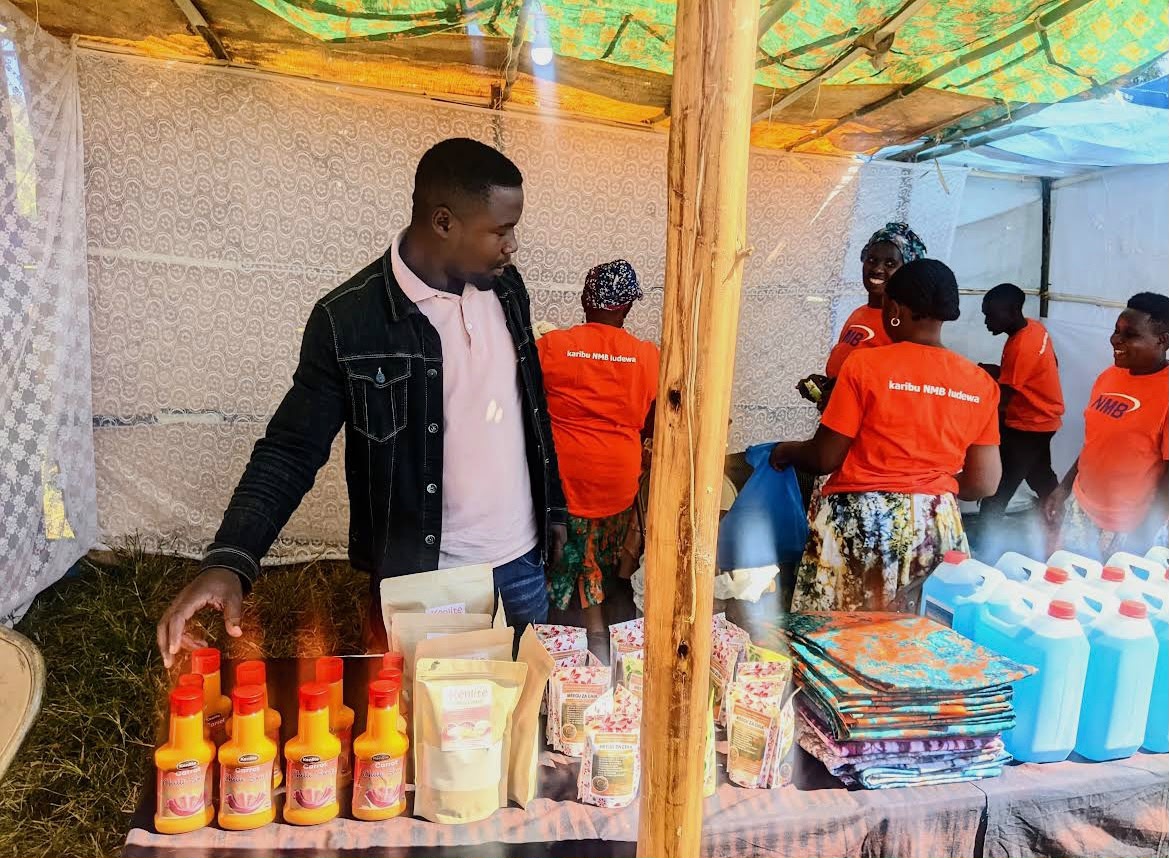
Supporting women and girls through skills development, entrepreneurship, and gender equality initiatives.
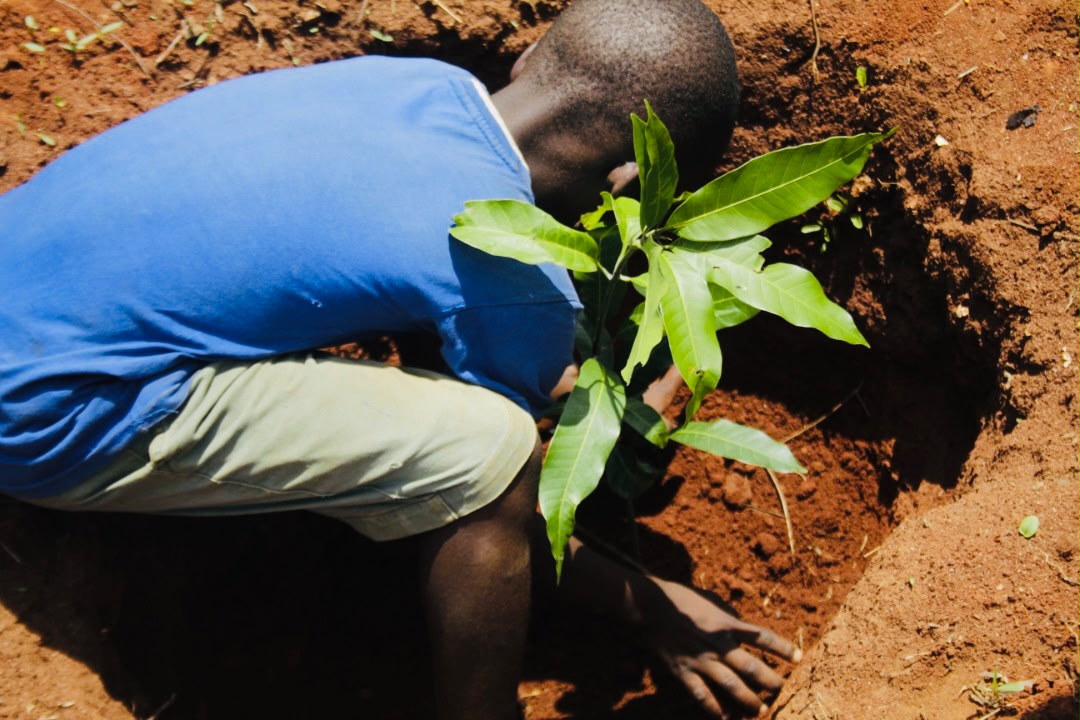
Promoting tree planting, climate resilience, environmental education, and sustainable natural resource management.
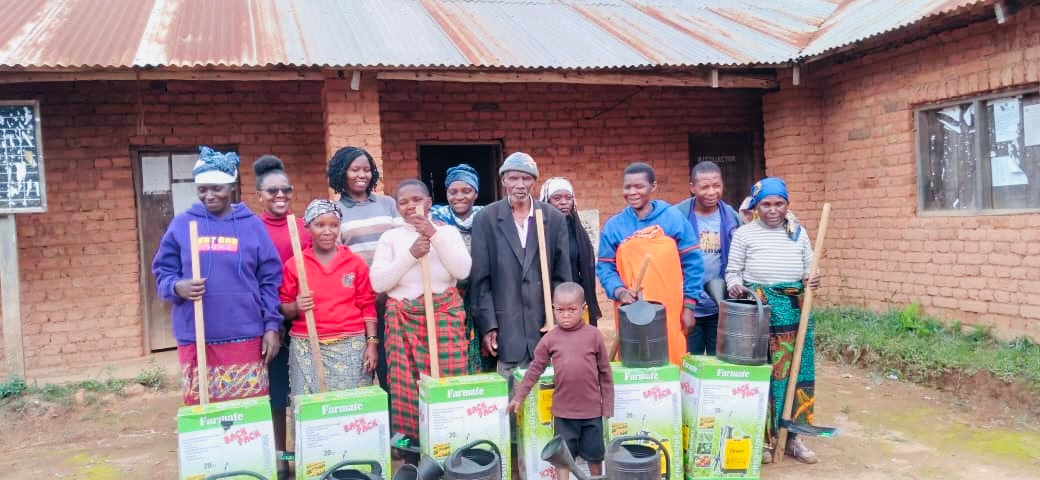
Supporting households through vocational training, savings groups, and income-generating activities.
1. Uhai CT: MISO implemented HIV Voluntary Counseling and Testing (VCT) services through trained clinicians and outreach. A total of 12,789 individuals were tested and 1,478 HIV-positive clients were linked to care and treatment.
2. Germany African Schorndorf: MISO supported 213 OVCs in secondary schools, colleges, and universities with education subsidies, school materials, and fees.
3. Pamoja Tuwalee and Africare: This project served 1,897 OVCs from 532 households, offering health, education, and economic empowerment. Many beneficiaries have since improved their livelihood and secured employment.
4. USAID Kizazi Kipya (2016–2021): A 5-year USAID/PEPFAR-funded program implemented in Ludewa District to improve HIV services, health, education, and protection for OVCs and caregivers. MISO reached 5,138 individuals.
5. USAID ACHIEVE (Oct 2021–Sept 2022): A 1-year project funded by USAID through Pact Tanzania aimed to proceed with Kizazi Kipya project interventions.
6. USAID Kizazi Hodari Southern Zone (2022–2024): MISO implemented as a sub-grantee to Deloitte Consulting Ltd. in Ludewa District, this project aims to sustain high-quality HIV, health, protection, and social services for OVCs and youth through community referrals and livelihood support.
The Annual General Meeting (AGM) is the highest authority in MISO, composed of five board members. Below it is the Board of Trustees/Directors, which oversees policy and strategic direction.
The Executive Director leads the organization and supervises Finance & Administration, Program Management/Coordination, and Monitoring & Evaluation. These departments report directly to the Executive Director to ensure accountability and effective implementation.
Njombe Region
Iringa Region
Iringa Region
These regions are strategically located along major transport corridors and are rich in agricultural and mining activities, attracting laborers, entrepreneurs, and other high-risk populations, making MISO’s work critical in health and social protection.
MISO Tanzania partners with public, private and non-profit stakeholders to strengthen health, education, and community resilience across southern Tanzania.
A visual look at MISO’s work across community outreach, education, health, and stakeholder engagement.
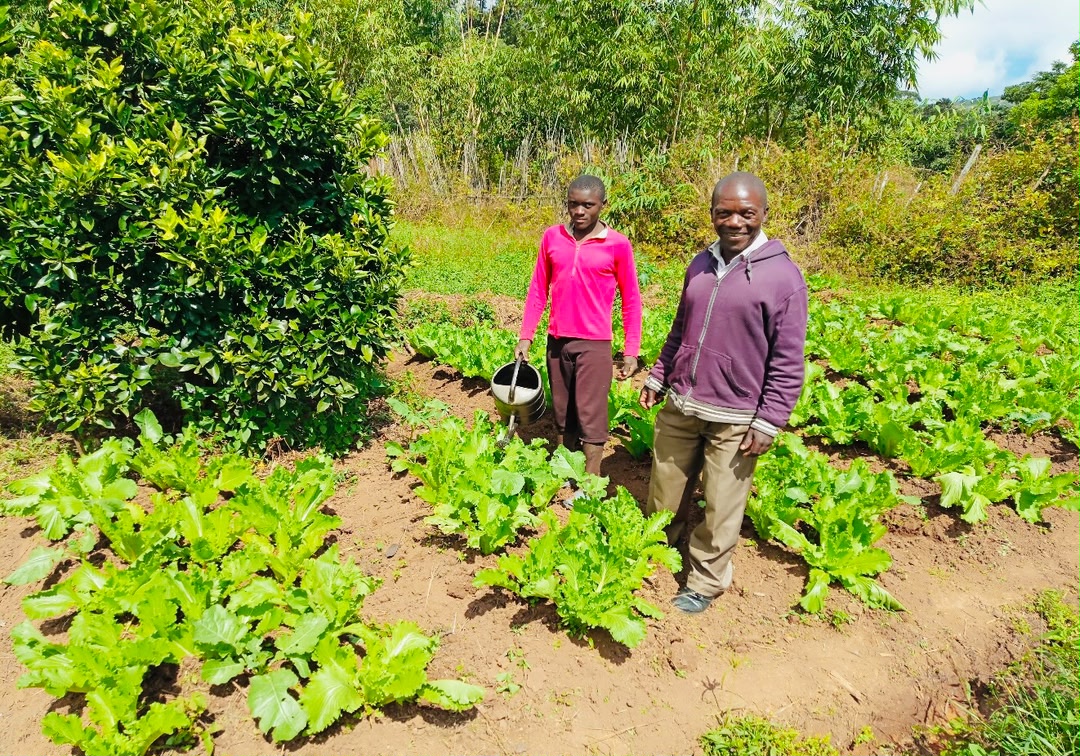
Field work and agricultural support in the community.
Healthy meals, MUAC testing, and nutrition support.
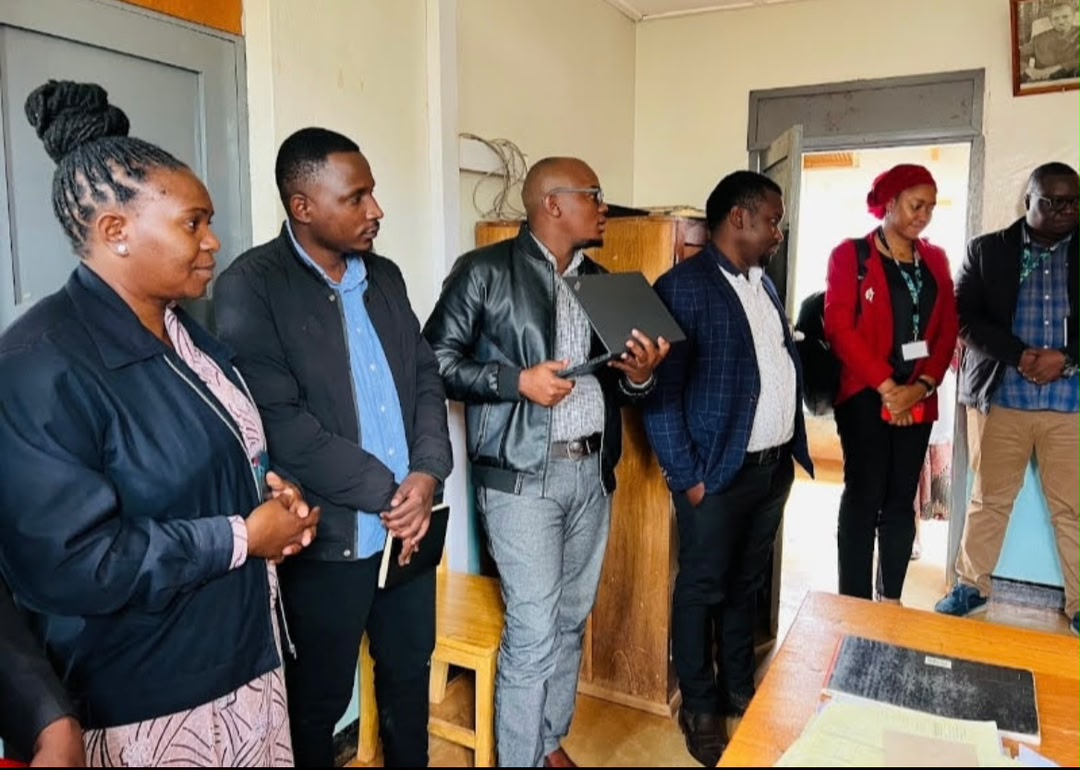
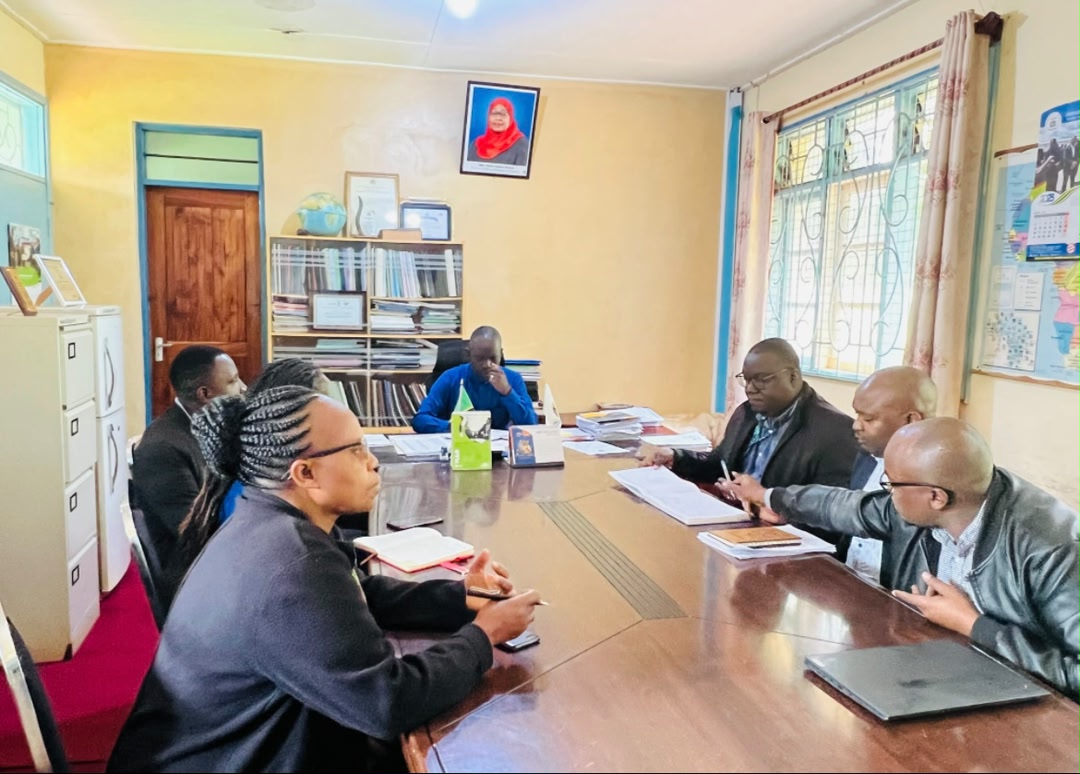
Collaborating with partners to strengthen community programs.
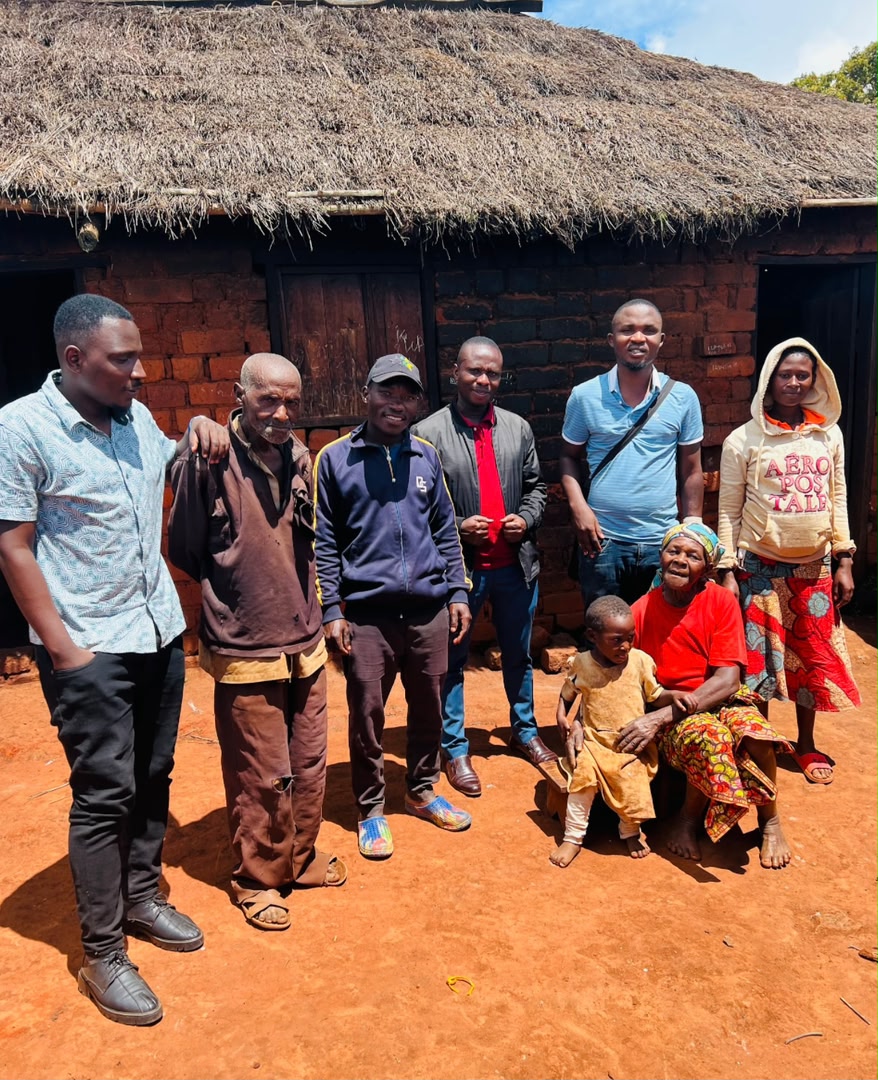
Supporting elderly members with care and community services.
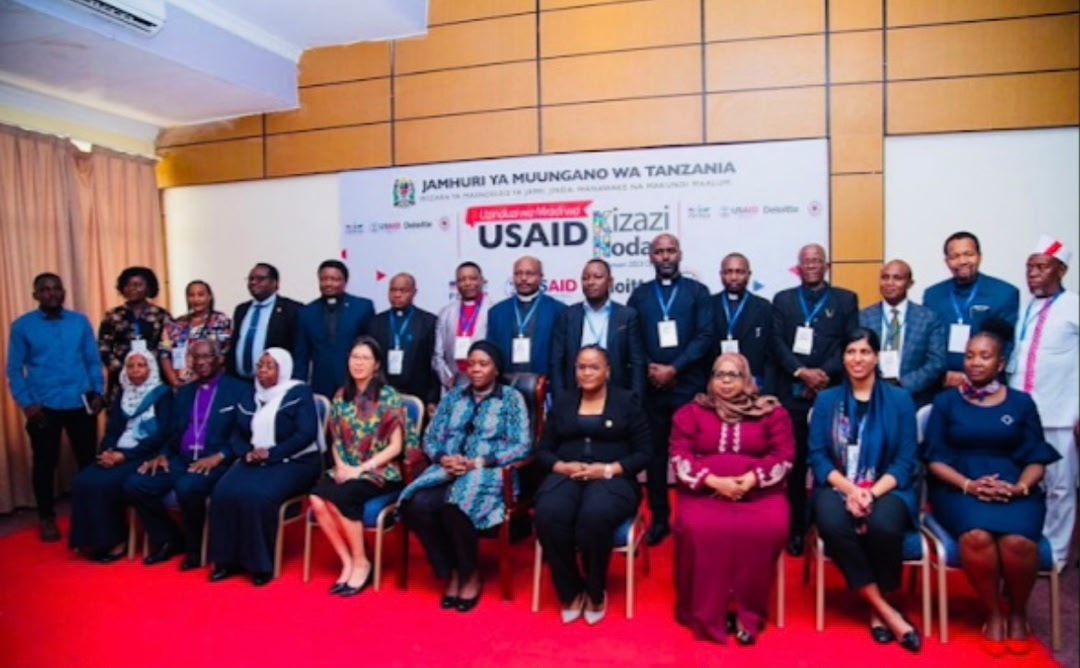
Meeting with the ministry to advance elder, gender, and child services.
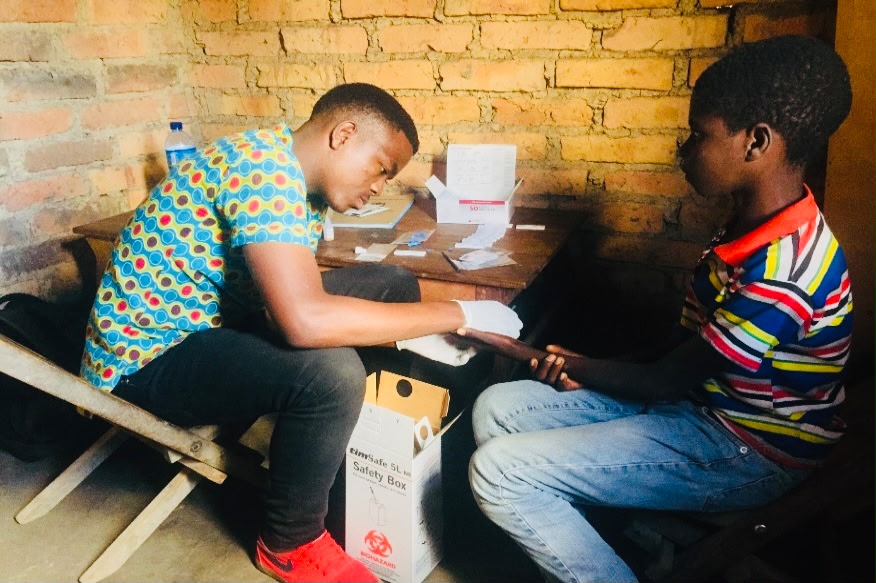
Providing HIV testing and counseling services.
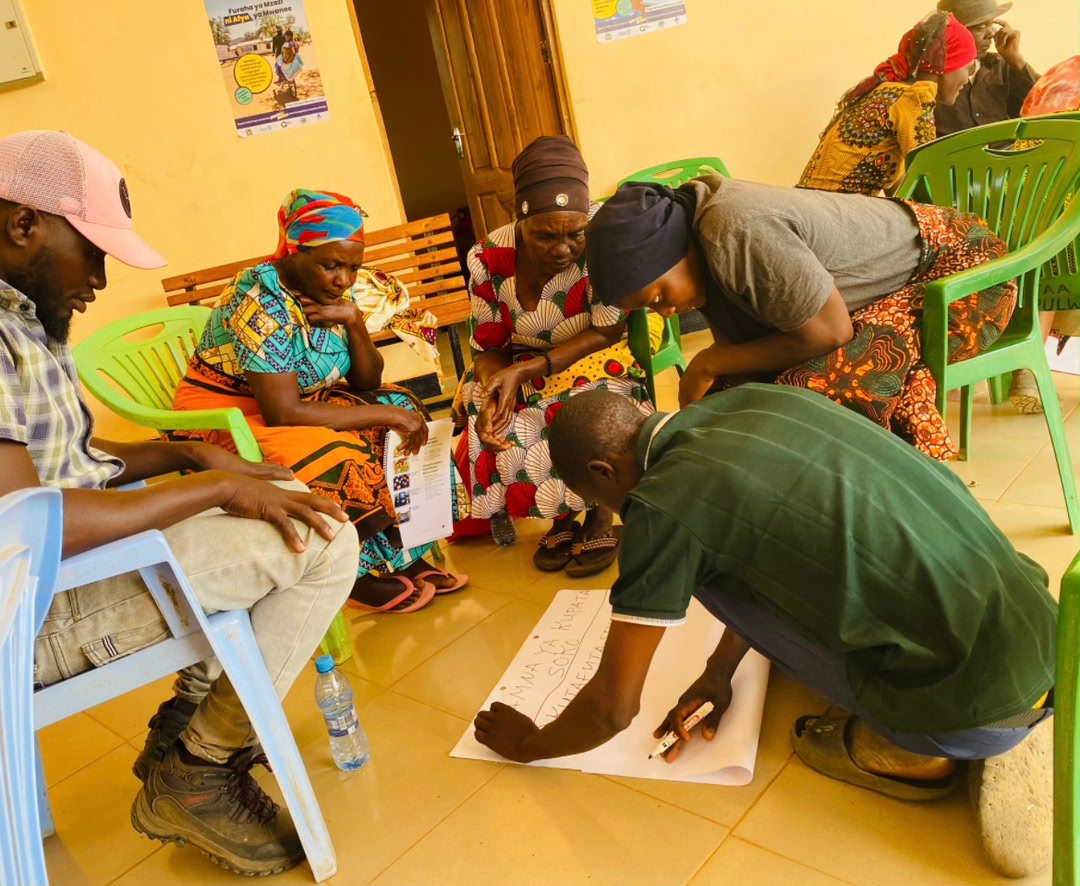
Engaging children and families through creative community activities.
Visiting and providing supports to the elders .
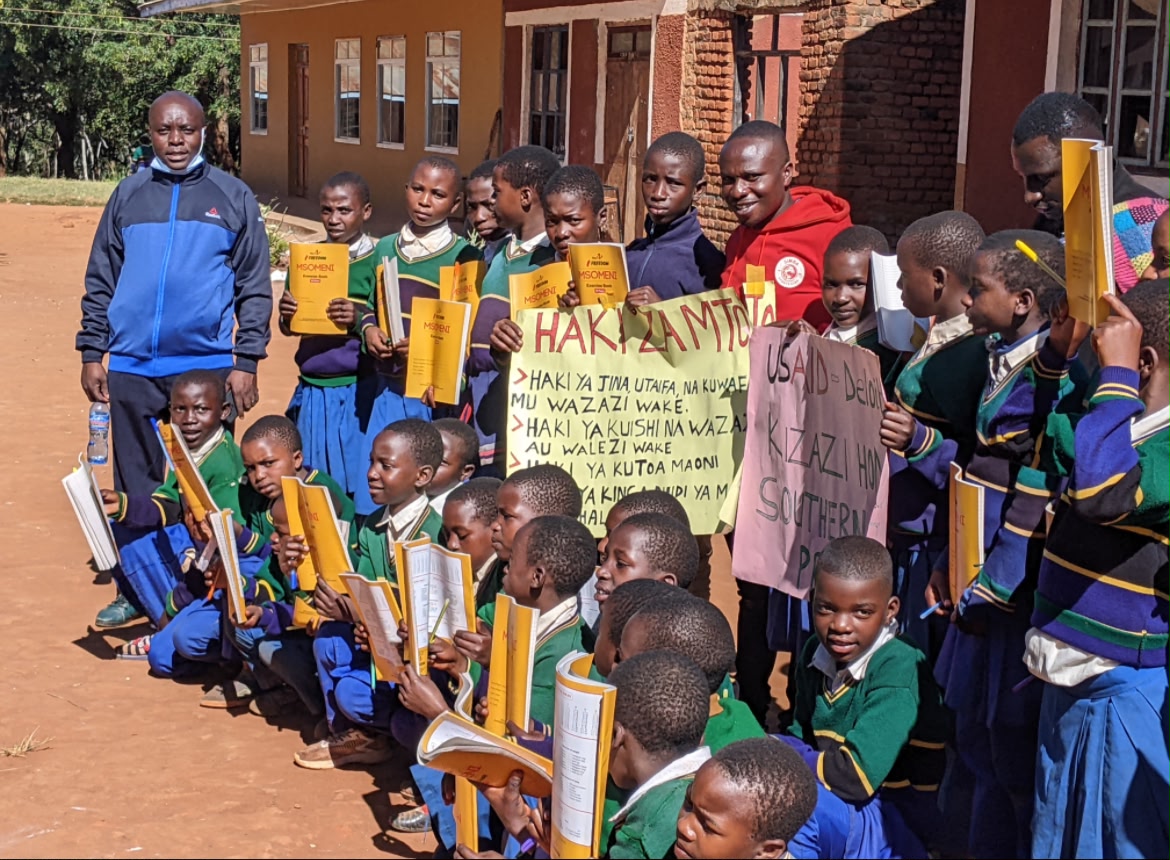
Supporting students in need through visits and assistance .
Reach out to collaborate, support our programs, or learn more about our work in southern Tanzania.